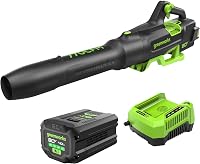
Are Leaf Blowers Good for Drying Cars?
Yes, a leaf blower works well for drying a car when it has a focused nozzle and enough air speed to push water off the paint. Cordless models suit this job best, and a light touch around trim and glass keeps the finish safe.
On this page (9 sections)
- Are leaf blowers good for drying cars?
- What air speed and CFM does car drying need?
- Which blower types suit drying a car?
- How do you dry a car with a leaf blower step by step?
- Where does a blower beat a towel?
- Can a blower damage paint, trim or glass?
- Which blower should you buy for drying a car?
- How does a leaf blower compare with a towel or car dryer?
- So, are leaf blowers good for drying cars?
Yes, a leaf blower works well for drying cars when it has a focused nozzle and enough air speed to push water off the paint. The moving air clears mirrors, seams and wheels without a towel dragging across the finish.
The question "are leaf blowers good for drying cars" comes up because a blower is already in the garage. Used with care, it does the same job as a dedicated car dryer at a fraction of the cost.
Are leaf blowers good for drying cars?
A blower is one of the fastest ways to dry a car without touching the paint. Air pushes standing water off panels and out of gaps where a towel can't reach.
The main benefit is fewer towel passes. Every wipe carries a small risk of grit under the cloth, and a blower removes most of the water before any cloth touches the surface.
Water also collects in mirror housings, door handles and wheel spokes, and a narrow nozzle clears those spots quickly.
The job only works with the right nozzle. A wide sweep tip spreads air over a large area but loses force.
A round or tapered tip focuses the stream so water moves rather than just evaporating in place.
Skip gas models here. Exhaust and oil mist land on the paint and in the air around the car.
An electric blower, cordless or corded, gives you clean air for drying.
What air speed and CFM does car drying need?
Look for at least 55 MPH at the nozzle for drying. Speed moves water off the surface, while CFM decides how much area you clear in each pass.
A blower rated 55 MPH with a focused tip handles mirrors, seams and wheels without much effort. Higher speed helps on vertical panels where water clings.
CFM matters more when you want to sweep a whole hood or roof in one motion.
Both numbers matter, and the balance depends on the tip. A narrow nozzle raises speed and lowers the area covered.
A spread nozzle does the opposite. If you want to understand the airflow side better, this guide to what is a good CFM for a leaf blower explains how the two ratings work together.
For car drying, aim for a blower that clears the water in one pass rather than two. A weak stream leaves streaks and pushes water back onto dry panels.
Which blower types suit drying a car?
Cordless is the easiest type for walking around a car. Corded models work too, but the cord limits how you circle the vehicle.
Cordless blowers run on a battery, so nothing drags across the paint or catches on a wheel. You can move from the roof to the wheels without thinking about the cable.
The trade-off is runtime, so a model with two batteries covers a full car and then some.
Corded models give steady power with no battery worry. You need an outlet close to the driveway, and the cord has to stay off the wet ground and away from the panels.
A built-in cord retention clip keeps the plug from pulling loose mid-job.
Gas blowers are the wrong tool for paint. The exhaust lands on the car and the noise makes a careful drying pass harder.
Electric covers this job well.
How do you dry a car with a leaf blower step by step?
Start at the top and work down so water never runs back onto a dry panel. Keep the nozzle moving and hold it a few inches off the surface.
- Wash and rinse the car as usual, then pull it into shade so the sun doesn't dry water into spots.
- Fit the narrow or round nozzle to the blower.
- Blow the roof and windows first, pushing water toward the sides.
- Work down the panels, then clear the mirrors, door seams and badges.
- Finish at the wheels, tires and wheel wells last.
- Wipe only the few drips the air leaves behind.
Hold the tip about 4 to 6 inches from the paint. Closer risks the plastic nozzle tapping the finish, and farther away loses force.
Use short, steady strokes rather than one long blast.
Keep the stream angled slightly downward so water moves off the panel instead of splashing up. On glass, a straight-on blast clears water fast without leaving a film.
What should you do about the wheels and tires?
Blow the wheels last, after the paint is dry. Brake dust and road grit sit around the wheels, and blowing them first pushes that dirt onto clean panels.
Use the focused tip to clear water from the spokes and the tire sidewall. Water trapped in the wheel well drips out later, so give it an extra pass.
Where does a blower beat a towel?
A blower wins on mirrors, seams and wheels, and it avoids towel marks on large flat panels. A towel still has a place for the final touch.
Water hides in mirror housings, door handles, fuel doors and around badges. A towel bunches up and leaves lint in those spots.
A narrow air stream pushes the water out in seconds.
Flat panels like the hood and roof dry quickly with a sweep pass. The blower leaves no lint and no swirl marks from a damp cloth.
The result is a finish that looks like it was wiped, without the wipe.
Towels still help for the last few drips and for drying the door jambs after you open them. Keep one microfiber cloth on hand rather than a stack.
Can a blower damage paint, trim or glass?
A blower won't scratch paint on its own, but a careless pass can cause problems. The risks are the nozzle touching the car and grit being blown onto a wet panel.
Keep the plastic tip off the surface. A hard nozzle tapping a panel can chip or mark it, so hold it steady a few inches away.
Soft-tip nozzles reduce that risk.
Watch the ground around the car. Blowing across a dusty driveway kicks grit into the air, and it can settle on a wet panel.
Rinse the area first or work in a clean spot.
Glass is safe with air. Trim, badges and plastic cladding handle a normal pass, though very loose trim should be checked before you aim at it.
Which blower should you buy for drying a car?
The EGO LB7654 is the best pick for most people drying a car at home. It has the speed and control to clear a full vehicle in one session.
The EGO reaches up to 200 MPH in turbo mode and 765 CFM at full power. A cruise control dial lets you step down to 260 to 580 CFM for gentler passes near trim.
The 5.0Ah battery runs up to 90 minutes, which covers several cars, and the included tapered nozzle focuses the stream where you need it. A brushless motor keeps vibration low during long passes.
It's a strong choice if drying cars is part of your regular wash routine.
Which blower is best for tight spots?
The Bullseye Turbo Jet suits mirrors, seams and wheels. Its compact body and round nozzle reach into gaps a full-size blower can't.
The Bullseye puts out up to 70 m/s, or 55 MPH, from a 350W motor. It's light enough to hold in one hand while you work around mirrors and door handles, and the round nozzle attachment aims a tight stream.
Two 20V batteries come in the box, so you can swap and keep going. It's a good second tool for detail work rather than the only blower in the garage.
Which blower is best on a budget?
The Black+Decker 7 Amp Corded covers basic drying for a low cost. Plug it in and it runs as long as you need.
The Black+Decker moves up to 180 MPH and 180 CFM from a 7-amp motor. At 4.4 pounds it's easy to carry around the car, and cord retention keeps the plug in place while you move.
It's a sensible pick if you have an outlet near the driveway and don't want to manage batteries. The cord does limit how you circle the car.
How does a leaf blower compare with a towel or car dryer?
A blower dries faster than a towel and costs far less than a dedicated car dryer. Each option has a clear best use.
| Method | Speed | Risk to paint | Best for |
|---|---|---|---|
| Leaf blower | Fast | Low when the tip stays off the car | Most home washes |
| Microfiber towel | Slow | Grit can scratch | Final touch and door jambs |
| Dedicated car dryer | Fast | Very low | Frequent detailing |
A towel is fine for a small car or a quick touch-up. For a full wash, the blower clears most of the water first.
A dedicated car dryer is filtered and shaped for the job, but a good leaf blower covers the same ground for less.
If you also use the blower in the yard, read how to use a leaf blower on your lawn so one tool earns its space. For fall cleanup, this guide on whether a leaf blower will blow pine needles covers the tougher debris.
So, are leaf blowers good for drying cars?
Yes, a leaf blower is a good drying tool when it has a focused nozzle and enough speed. It clears water from the places a towel can't reach and cuts the wiping that risks marks on the paint.
Pick the EGO LB7654 for a full car and the best all-round result. Choose the Bullseye Turbo Jet for mirrors and seams, or the Black+Decker 7 Amp Corded if you want steady corded power.
Any of the three beats a towel for the first pass. For the yard side of blower ownership, our leaf blower vs rake comparison helps you decide where the tool earns its keep.
Frequently asked questions
What air speed do you need to dry a car?
Look for at least 55 MPH at the nozzle. That is enough to move standing water off flat panels and out of tight gaps, while a wider spread nozzle is better for sweeping a whole side at once.
Can a leaf blower scratch car paint?
A blower only moves air, so it doesn't rub the paint. The risk comes from the nozzle touching the surface or from blowing dust and grit off the ground onto a wet panel, so keep the tip a few inches away.
Should you use a gas blower to dry a car?
No. Gas blowers push exhaust and oil mist onto the paint and around the car.
A cordless or corded electric model gives clean air and is the safer choice for drying a vehicle.
Do you still need a towel after blowing the car dry?
Usually only for a final touch on spots the air misses. Most of the water leaves with the blower, so a small microfiber cloth handles the last drips instead of soaking up a whole car's worth.