Corded vs Cordless Leaf Blower: Pros and Cons (October 2026)
Choose a corded leaf blower for continuous power near an outlet, or a cordless model for free movement and quick grab-and-go cleanup. The right fit depends on your yard size, outlet access and how long you work at a time.
On this page (8 sections)
- Corded vs cordless leaf blower: what is the main difference?
- Which blower has more airflow?
- Does a cord or battery make cleanup easier?
- How should you choose for your yard size?
- What are the pros and cons of a corded blower?
- What are the pros and cons of a cordless blower?
- Which setup is safer and simpler to manage?
- Which leaf blower should you choose?
Choose a corded leaf blower for continuous power near an outlet, or a cordless model for free movement and quick grab-and-go cleanup. The corded vs cordless leaf blower choice depends on yard size, outlet access and how long you work at a time.
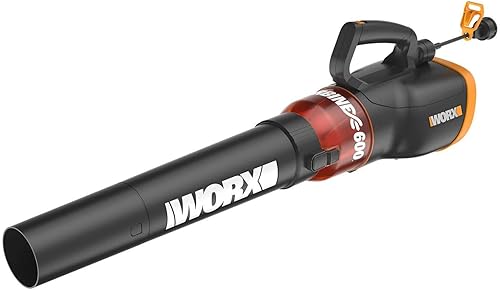
The WORX WG520 corded model reaches up to 600 CFM and 110 MPH. The cordless WORX WG547 reaches up to 360 CFM and 75 MPH, and weighs 4.4 lb with its battery.
Those figures point to a tradeoff: corded power can suit longer work, while cordless convenience makes it easier to cross a yard without dragging a cord. Neither choice fits every yard equally well.

Corded vs cordless leaf blower: what is the main difference?
A corded blower stays powered while plugged in; a cordless blower runs on a charged battery. That changes how you plan the cleanup and where you can work.
The corded WG520 uses a 12 Amp electric motor and needs access to an outlet. It can keep going without battery charging or gas refills, but its reach is limited by the cord route.
The WG547 uses a 20V battery. It comes with a battery and charger, and it doesn't need an extension cord while you're moving between patios, walkways and lawn areas.
If you want a wider overview of plug-in and battery choices, see electric leaf blowers explained. The power source is only part of the decision, but it affects nearly every cleanup task.
Which blower has more airflow?
The corded WORX WG520 has higher stated airflow than the cordless WG547. It reaches up to 600 CFM and 110 MPH, while the WG547 reaches up to 360 CFM and 75 MPH.
CFM measures the volume of air moved, while MPH describes its speed. These numbers are useful for comparing the two models, but they don't tell you exactly how quickly either will clear your yard.
A wide stream can help move leaves across an open area. Around garden beds, planters and lightweight mulch, lower speed can give you more control and reduce the chance of scattering material.
Is a corded blower better for wet leaves?
Higher airflow may help with heavier cleanup, but neither blower's stated figures guarantee a result on wet leaves. Damp, matted leaves can stick to pavement and require more passes than dry leaves.
The WG520's higher airflow makes it the stronger fit of these two for larger piles and open areas. The WG547's 2-speed control lets you use high speed for heavier leaf piles, though its maximum airflow is lower.
For controlled work, airflow adjustment and your technique matter too. The guide to blowing leaves efficiently covers how to work in sections and build a pile without chasing leaves around.
Does a cord or battery make cleanup easier?
Cordless is easier to move with; corded is easier to keep running. Your layout and session length determine which convenience matters more.
With the WG547, you can move around a patio, driveway or small lawn without routing an extension cord. Its 4.4 lb weight includes the battery, and its 2-speed control supports light sweeping or tougher hard-surface cleanup.
With the WG520, you won't have to stop because a battery needs charging. Its 6.4 lb weight is slightly higher than the cordless model, and you'll need to keep the cord away from your feet, shrubs and other obstacles.
Think about the route between your outlet and the farthest area you clean. A cord that reaches the back patio may still be awkward around parked cars, narrow gates or several planting beds.
How should you choose for your yard size?
Choose by the farthest work area and the time you expect to spend clearing it. A small yard can still favor corded power if the outlet is close, while a larger yard can favor cordless freedom if the route is open.
For a patio, front walk and small lawn, the WG547 offers grab-and-go convenience. Its airflow suits lighter everyday cleanup, and the included charger lets you recharge between sessions.
For a larger open area or a long session near an outlet, the WG520 offers higher airflow and continuous power. Before choosing it, make sure a safe cord route reaches the whole area.
If your cleanup covers a lot of ground, compare the effort and walking pattern in our guide to leaf blowers for large yards. That guide can help you decide whether a handheld model fits the task at all.
What are the pros and cons of a corded blower?
A corded blower's main advantage is continuous power, and its main drawback is cord management. It suits work where the outlet stays close enough for the full cleanup route.
The WG520 can clear with up to 600 CFM and 110 MPH, and variable-speed control lets you use lower airflow around landscaping. It also avoids gas, fumes, pull starts and battery charging.
The tradeoff is that the cord connects every task to an outlet. You may need to reposition it as you work, and the cord can catch on obstacles or cross walkways.
The WG520 is a practical option for a driveway, patio, deck or lawn within cord reach. Its 6.4 lb weight is worth considering if you carry it for longer sessions.
What are the pros and cons of a cordless blower?
A cordless blower's main advantage is freedom of movement, and its main limit is battery runtime. It suits quick jobs and layouts where a cord would get in the way.
The WG547 weighs 4.4 lb with its battery and doesn't need an extension cord. It reaches up to 360 CFM and includes a battery and charger.
The battery can run down before you finish a large cleanup, especially if you use high speed for heavier piles. Check the leaf blower battery runtime guide to plan around charging and session length.
This model belongs to WORX's PowerShare battery system. The battery works across WORX 20V tools, and can be combined for 40V and 80V products.
Which setup is safer and simpler to manage?
A cordless blower removes the extension cord from your work path, while a corded blower needs a clear route and suitable electrical setup. Follow the manuals for both the blower and any extension cord you use.
Before using a corded blower, check the cord for damage and keep connections away from water. Route the cord behind you where possible, and avoid running it across a path where someone could trip.
With a cordless blower, charge and store the battery as its instructions direct. Keep the work area clear, and avoid blowing debris toward people, pets, windows or parked vehicles.
Neither power source removes the need for eye protection and awareness of flying debris. Choose a direction that sends leaves away from doors, drains and neighbors' yards.
Which leaf blower should you choose?
Choose the WG520 if you want higher airflow and continuous power near an outlet; choose the WG547 if cord-free movement and lighter weight matter more. Match the blower to the route and duration of your usual cleanup.
The corded WG520 is the better fit for extended work within reach of an outlet, with up to 600 CFM and variable-speed control. The cordless WG547 is the easier grab-and-go choice for patios, walkways and smaller yard areas, with 4.4 lb weight including its battery.
For more options in either category, compare best corded electric leaf blowers and our electric leaf blower guide. If your main concern is avoiding cord hassles, choose cordless; if uninterrupted power and higher airflow matter more, choose corded.
Frequently asked questions
Is a corded or cordless leaf blower better?
A corded blower is better for longer sessions near an outlet because it runs without battery charging. A cordless blower is better when you need to move freely or clean a smaller area quickly.
Compare the yard, outlet locations and expected cleanup time before choosing.
Do corded leaf blowers have more power?
They can offer higher airflow in the models compared here: the corded WORX WG520 reaches up to 600 CFM, while the cordless WG547 reaches up to 360 CFM. Those figures describe these two models, not every corded and cordless blower.
How far can you use a corded leaf blower?
A corded blower can reach as far as its power cord and any suitable extension cord allow, but the cord must stay connected to an outlet. Check the blower and extension cord instructions for the right cord type and length, then plan a route that avoids tripping hazards.
Does a cordless leaf blower run out of power?
A cordless blower stops when its battery needs recharging or replacement. Runtime varies with the battery, speed setting and work, so plan around the area you need to clear and keep charging time in mind.
The WORX WG547 includes a battery and charger.
Can a corded blower handle a large yard?
It can handle a large yard if the outlet and cord reach the areas you need to clear safely. A long route, many obstacles or distant corners can make cord management slow.
For those layouts, cordless movement may be easier even if you need to plan around battery charge.


