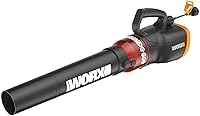
How to Fix an Electric Leaf Blower
To fix an electric leaf blower that won't run, check the outlet, the cord and the cord retainer first, since most failures are power problems. If it runs but blows weak, clear the intake and tube, empty the bag and look for a clogged impeller.
On this page (9 sections)
- Why won't my electric leaf blower turn on?
- How do you check the cord and power supply safely?
- What causes weak airflow or no blowing?
- How do you clear a clogged blower tube or impeller?
- How do you fix a leaf blower vacuum that won't suck?
- Why does the blower stop or trip the breaker?
- When is a repair worth it and when should you replace?
- How do you keep an electric blower running well?
- Which blower is easiest to keep clog-free?
To fix an electric leaf blower that won't run, check the outlet, the cord and the cord retainer first, since most failures are power problems. If it runs but blows weak, clear the intake and tube, empty the bag and look for a clogged impeller.
A corded blower has fewer failure points than a gas model: no fuel, no spark plug and no pull start. That makes how to fix an electric leaf blower a short checklist of power and airflow.
Work through the steps in order and most faults show up within minutes.
Why won't my electric leaf blower turn on?
The outlet or the cord is usually the problem, not the blower. A corded model needs a live circuit and a fully seated plug before anything else matters.
Start at the wall. Plug a lamp or phone charger into the same outlet to confirm it has power.
If the outlet is dead, check the breaker panel or a GFCI outlet's reset button.
Then inspect the extension cord end to end. Look for cuts, crushed spots, a bent plug or a loose connection where it meets the blower.
Swap in a known-good outdoor cord before you suspect the tool.
Press the trigger switch firmly. Some models need the switch held fully down, and a sticky trigger can feel pressed without making contact.
If you're unsure of the sequence on a new tool, see how to turn on a leaf blower.
How do you check the cord and power supply safely?
Unplug everything before you touch the cord or the blower. Wet grass, damp hands and a frayed cord are the real danger in this job.
Run your hand along the full length of the extension cord and feel for soft spots, nicks or exposed wire. Replace any cord that fails this check rather than taping it.
Confirm the cord is rated for outdoor use and heavy enough for the blower's amp draw. A 12 Amp blower on a long, thin cord can overheat the cord or trip the breaker.
The WORX WG520 pulls 12 Amps and moves up to 600 CFM, so it wants a proper outdoor cord.
Keep the plug connection off the ground. Many blowers have a built-in cord retainer that locks the extension against the housing so it can't pull loose as you walk.
What causes weak airflow or no blowing?
A blockage or a full bag is the usual cause of weak airflow. The motor can run fine while very little air reaches the nozzle.
Check the intake grille at the back for packed leaves, grass and dust. Clear it with a brush, never with your fingers while the tool is plugged in.
Look down the blower tube for a wad of leaves stuck near the narrow end. A vacuum mode with a full collection bag will also choke airflow until you empty it.
In vacuum mode, a clogged impeller is the next suspect. Wet leaves and twigs wrap around the fan and cut the air stream.
Unplug the blower, remove the tube and clear the fan by hand.
How do you clear a clogged blower tube or impeller?
Unplug the blower, take off the tube, and pull the clog out by hand. Never reach into the housing while the tool is connected to power.
Lay the blower on its side and separate the tube from the body. Most blower-vac models release the tube with a twist or a simple latch and need no tools.
Work the clog loose from the open end. If leaves are packed tight, use a stiff brush or a wooden stick rather than a screwdriver that could score the plastic.
Check the impeller for wrapped string, twine or thin branches. Cut them free and pull them out, then spin the fan by hand to confirm it turns freely.
Reassemble the tube fully and lock it in place. A partly seated tube leaks air and makes the blower sound loud while it blows weak.
How do you fix a leaf blower vacuum that won't suck?
Start with the bag and the tube setting. A vacuum that won't pick up leaves is usually set up wrong or already full.
Confirm the blower is switched from blow to vac mode. The tube and the bag both have to be fitted in the vacuum position, and a tube left in the blow setting won't draw air.
Empty the collection bag. A bag packed past halfway cuts suction hard, and wet leaves weigh it down faster.
Shake it out and let it dry before refitting.
Check the bag's connection at the housing for a loose collar or a tear. Air pulled in through a gap bypasses the leaves and kills suction.
If the impeller is wrapped in wet leaves, clear it as above. A vacuum that still won't draw after a clean bag and clear fan points to a damaged fan or a blocked outlet.
Why does the blower stop or trip the breaker?
The blower is pulling more current than the circuit or cord can carry. That's a power supply problem more often than a broken tool.
Try a different outlet on its own circuit. A circuit shared with lights or a garage freezer can trip when the blower starts under load.
Move to a shorter, heavier-gauge outdoor extension cord. Long thin cords raise resistance and heat up, which trips breakers and can damage the motor.
Don't run the blower through a daisy chain of cords or a cheap power strip. Those add resistance and connection points that overheat.
If a single outlet on its own circuit still trips with a good cord, stop using the blower. An internal short needs a qualified repair, not a bigger breaker.
When is a repair worth it and when should you replace?
External faults are worth fixing; internal motor faults usually aren't. A tripped breaker, a bad cord, a clog or a full bag costs little to sort out.
Add up what a repair would cost against a new corded model. A motor, switch or wiring repair on a budget blower often runs close to the price of a replacement.
Check the warranty before you open anything. The WORX WG520 carries a 3-year manufacturer limited warranty, so a fault inside that window is a claim, not a repair bill.
Opening the housing yourself can void it.
Replacement makes more sense when the blower is old, the housing is cracked or the fan is damaged. A newer model also brings useful upgrades, such as the quieter 68 dBA rating on the BV6600.
How do you keep an electric blower running well?
Clean the intake, empty the bag and store it dry after every session. Most "broken" blowers are just blocked or damp.
Wipe leaves and dust off the intake grille and the tube after each use. Empty the vacuum bag and let it dry fully so mold and packed leaves don't build up.
Coil the cord loosely and keep the plug off the ground. Store the blower indoors, away from rain, so the motor and switch stay dry.
Check the tube latch and the bag collar now and then. A loose fitting is a common cause of weak airflow that looks like a motor problem.
If noise is your next concern, our guide to how loud a leaf blower is covers decibel levels and when to wear hearing protection. For a replacement that stays plugged in, compare the best corded electric leaf blowers and the wider field of electric leaf blower models.
Which blower is easiest to keep clog-free?
A blower with a metal fan and a reusable bag is the easiest to keep clear. Plastic impellers and thin bags clog sooner, especially with wet leaves.
The BV6600 uses a high-impact metal fan and grinds up to 16 bags of leaves down to one. Its reusable EZ-Empty bag is quick to empty, and its 68 dBA rating makes it the quieter of the two Black+Decker combos.
The BV3600 uses an anti-clog vortex impeller and grinds up to 10 bags down to one. It's a good fit if you mostly blow and only vacuum occasionally.
Both are 12 Amp corded tools, so neither needs a battery or a gas can.
If you'd rather start with a straight blower and skip vacuum mode, the WORX WG520 is the simplest to clear: one tube, one intake grille and no bag to empty. Pair any of them with a proper outdoor cord, and how to fix an electric leaf blower becomes a five-minute check rather than a trip to the repair shop.
Frequently asked questions
Why does my electric leaf blower stop when I move it?
A loose extension cord is the usual cause. Most corded blowers have a built-in cord retainer that holds the plug against the body; if the cord pulls free, the blower loses power mid-job.
Clip the extension in firmly and keep the loop slack as you walk.
Can I use an extension cord with a corded leaf blower?
Yes, if it's rated for outdoor use and thick enough for the blower's amp draw. A light indoor cord can overheat or trip the breaker on a 12 Amp model.
Keep the connection off wet ground and never run the cord through standing water.
Is it worth repairing an electric leaf blower?
It's worth it when the fault is external: a tripped breaker, a bad extension cord, a clogged tube or a full bag. Internal faults like a burned-out motor or a damaged switch usually cost more to fix than a new corded blower, so compare before booking a repair.
Why does my blower trip the circuit breaker?
The blower is probably drawing more current than the circuit allows, or the cord is too thin or damaged. Try a different outlet on its own circuit and a heavier-gauge outdoor cord.
If it still trips, stop using it and have the blower checked.
How do I stop leaves clogging the vacuum bag?
Empty the bag before it gets more than about half full and shred leaves in smaller batches. Matted, wet leaves pack tighter, so let them dry or rake them first.
A mulcher with a metal fan, like the BV6600, resists clogging better than a plastic impeller.