How to Use a Vacuum Leaf Blower to Bag and Mulch
To use a vacuum leaf blower, fit the vacuum tube and collection bag, then work over dry leaves in small sections. Empty the bag before it gets too heavy, and follow the tool manual for mode changes and safe operation.
On this page (8 sections)
- How do you set up a leaf blower vacuum?
- What should you clear before vacuuming leaves?
- How do you vacuum leaves without clogging the tube?
- How do you bag and mulch leaves safely?
- How do you choose between corded and battery vacuum models?
- What safety steps matter when vacuuming leaves?
- How should you clean and store a leaf vacuum?
- What is the best way to use a vacuum leaf blower?
To use a vacuum leaf blower, fit the vacuum tube and collection bag, then work over dry leaves in small sections. Empty the bag before it gets too heavy, and follow the tool manual for mode changes and safe operation.
A blower-vac turns loose leaves into bagged material, often with a mulching impeller that reduces volume. It works best when you keep the intake clear, avoid wet clumps, and take time to prepare the area.
How do you set up a leaf blower vacuum?
Switch the tool off and follow its manual to fit the vacuum tube and collection bag. Some models require a conversion step from blower mode, so don't assume the parts attach the same way across brands.
Check that the bag is fully attached and that its zipper or opening is closed. Inspect the tube and bag for damage, then use the shoulder strap or handle as the manual shows.
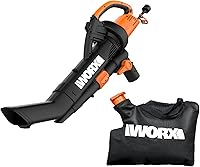
The WORX Trivac WG512 is a corded 3-in-1 blower, vacuum, and mulcher. Its 12 Amp motor is rated for 600 CFM, and WORX gives it a 16:1 mulch ratio.
For a broader look at powered cleanup options, see our guide to electric leaf blowers, including battery and corded models. If you want a dedicated vacuum-mulcher, compare the options in our leaf vacuum mulcher guide.
What should you clear before vacuuming leaves?
Move large sticks, stones, and other hard debris out of the leaf layer first. A leaf vacuum is meant to collect leaves, and hard objects can damage parts or block the tube.
Check the work area for toys, garden ties, seed pods, and anything else that could be pulled into the intake. Avoid vacuuming gravel or loose soil unless your tool manual specifically allows it.
Start with dry leaves when possible. Damp, matted leaves can be harder to move and may clog the tube more easily, so let them dry or use a rake to loosen them before vacuuming.
How do you vacuum leaves without clogging the tube?
Hold the intake just above the leaves and move it steadily across a small patch. Feed leaves in gradually instead of forcing the tube into a deep, packed pile.
Use a lower speed if your tool has variable control and the leaves are near plants, mulch, or delicate edging. Increase airflow only when you need it and the work area is clear.
Pause if the sound or airflow changes, or if the tube stops collecting. Switch the tool off and disconnect power or remove the battery as the manual directs before inspecting for a blockage.
Should you vacuum leaves into a pile first?
A loose, shallow pile can make vacuuming easier, but a deep pile may block the intake. Use a blower or rake to gather leaves into small groups, then vacuum each group without burying the tube.
Our guide to blowing leaves efficiently explains how to gather leaves into manageable piles. Keep the vacuum tube away from mulch and garden beds if loose material could be pulled in.
How do you bag and mulch leaves safely?
Keep the collection bag attached and empty it before it becomes heavy or tightly packed. Mulching reduces leaf volume, but it doesn't remove the need to empty the bag during a long cleanup.
Turn off the tool before detaching the bag, and follow its manual for emptying and reattachment. Keep your hands away from the intake and impeller area; never reach into the machine while it is connected to power or has a battery installed.
The Black+Decker 3-in-1 with Disposable Bags is a corded blower, vacuum, and mulcher with variable speed selection. Black+Decker says its metal fan can grind up to 16 bags of leaves down to 1.
The included collection bag is reusable, so you can empty it and keep working. Check the manual for how to detach and clean the bag, and let collected material cool before placing it in yard waste or compost.
How do you choose between corded and battery vacuum models?
Choose a corded blower-vac if you want continuous power and have an outlet within reach. Manage the cord as you move, keeping it behind you and away from the intake and cutting path.
Choose a battery model if freedom from a cord matters more than uninterrupted runtime. Check what comes in the package and whether the tool includes the vacuum parts you need.
The Greenworks 40V Blower-Vac is a battery-powered blower-vac with a 40V system. Greenworks describes it as a cordless tool for blowing, vacuuming, and mulching leaves.
The published airflow figures differ across its specifications and description, so compare the configuration and details for the model you are considering. See how long leaf blower batteries run per charge if runtime will shape your cleanup plan.
What safety steps matter when vacuuming leaves?
Wear eye and hearing protection, sturdy shoes, and clothing that covers your skin. Keep children and pets away from the work area, and never point the intake toward people or animals.
Use the tool outdoors and follow its manual for electrical safety, extension cords, and safe operating position. For corded models, keep connections dry and use a cord rated for outdoor use.
Stop before changing modes, emptying the bag, clearing a clog, or checking the impeller. Disconnect the plug or remove the battery as directed, then wait for moving parts to stop.
How should you clean and store a leaf vacuum?
Switch off and disconnect the tool before cleaning or storing it. Empty the collection bag, remove loose debris as the manual permits, and let damp parts dry before putting them away.
Check the tube, bag, and attachments for damage before the next cleanup. Store the tool and cord or battery in a dry place, using the maker's storage instructions.
Our guide to storing a leaf blower and its battery covers storage steps for both corded and battery models.
What is the best way to use a vacuum leaf blower?
For a smooth cleanup, clear hard debris first, vacuum dry leaves in small passes, and empty the bag before it gets heavy. Stop the tool before clearing clogs or detaching the bag, and let the manual guide every mode change.
Choose the WORX if a large 50L bag and corded power fit your routine. Consider the Black+Decker for its reusable bag and variable speed, or the Greenworks if cordless operation is your priority.
If you mostly need to move leaves before collecting them, read our guide to corded leaf blowers. For choosing a vacuum-mulcher, start with the leaf vacuum mulcher options.
Frequently asked questions
Should leaves be wet or dry before using a vacuum leaf blower?
Dry leaves are usually easier to vacuum and mulch because wet, clumped material can slow collection or contribute to clogging. If leaves are damp, let them dry when practical and take smaller passes.
Follow the manual for what material the tool can handle.
How do you keep a leaf vacuum from clogging?
Vacuum dry leaves in small amounts, keep the tube opening clear of soil and sticks, and stop the tool before clearing a blockage. Don't push the tube into a dense pile or vacuum items the manual excludes.
Check the impeller and bag only as the manual directs.
When should you empty a leaf vacuum bag?
Empty the bag when it begins to feel heavy or restricts airflow, and switch the tool off before removing it. Don't wait until the bag is packed tight.
Check the manual for its removal steps and keep your face away from the opening.
Can you use a leaf vacuum on gravel?
Use caution on gravel because a vacuum can pull small stones into the tube. Clear leaves from gravel with a blower or rake, or follow the manual's guidance for that surface.
Keep the vacuum intake away from loose stones, soil, and other hard debris.